Asia
| Asia |
|---|
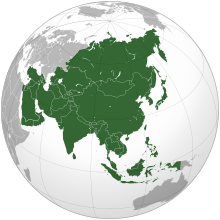 |
| Hesto'e: 44,579,000 km2(17,212,000 sq mi)[1] |
| Population: 4,694,576,167[2][3] |
| Population density: 100/km2
(260/sq mi) |
| GDP (PPP): $72.7 trillion (2022 est; 1st)[4] |
| GDP (nominal): $39 trillion (2022 est; 1st)[5] |
| GDP per capita: $8,890 (2022 est; 4th)[6] |
| Religions:
Islam (28.0%) Hinduism (22.8%) A'áahe religions (13.9%) Buddhism (11.1%) Chinese folk religion (9.7%) Christianity (8.4%) Ethnic religions (3.5%) Religions mónahe (1.3%) Néta'e (1.3%) |
| Demonym: Asian |
| Héstánóvaan:
49 UN ho'xėseotsean 1 UN observer 5 Héstánóvaannéta'e |
| Zone e'xove: UTC+02:00 sȯsóe UTC+12:00 |
| Internet TLD: .asia |
| UN M49 code:
142 – Asia 001 – Ho'e |
Asia éve hohamháahpcontinent (44,579,000 km2) (17,212,000 sq mi).[1] É áháse hohamháahphéstanėheo'o (4,694,576,167).[2][3] É he 30% Ho'eá'enëö'o né'tóvéto hesto'e naa 8~9% Ho'eá'enëö'o né'tóvéto hesto'e mé'ané. É he 4,694,576,167 héstanėheo'o táase éve 60% ho'eá'enëö'o population.
Asia véstahe hesto'e Eurasia vé'še Hóxovê-hooma, naa Afro-Eurasia vé'še néše Hóxovê-hooma naa Mo'hetaneho'e. Tsé-véhonevoemėstse, é éve h mȧx ehóhtá éše'he tsénėxhésemé'éhnėse ame Pacific Mȧhóomoehá, ehóhtá hánėsóvóne ame Indian Mȧhóomoehá, naa ehóhtá notäma ame Arctic Mȧhóomoehá.
Geography
Asia éve hohamháahpcontinent hotómá'e Ho'e. É he 8~9% Ho'eá'enëö'o né'tóvéto mé'ané hesto'e naa hohamháa'esó coast, 62,800 kilometres (39,022 mi). Asia éve tsé-véhonevoemėstse mé'o'éna tä'se h vé'h éše'he tsénėxhésemé'éhnėse név-nóhona'ónétó Eurasia. É éve hhetóeotse ehóhtá éše'he tsénėxhésemé'éhnėse Suez Canal naa Ural Ho'honáevosean, naa ehóhtá hánėsóvóne Caucasus Ho'honáevosean naa Caspian Mȧhóomoehá naa Mo'kȯhtáv Mȧhóomoehá.[7][8] É éve h mȧx ehóhtá éše'he tsénėxhésemé'éhnėse ame Pacific Mȧhóomoehá, ehóhtá hánėsóvóne ame Indian Mȧhóomoehá, naa ehóhtá notäma ame Arctic Mȧhóomoehá.
O'omeanne'tahe
- Notäma Asia (Siberia)
- Sétov Asia
- Anėsóvóne Asia (Sétov Éše'he tsénėxhésemé'éhnėse naa máto héva Á'eéše'he tsénėxhésemé'éhnėse naa éstȧhtsenáno'hāme Caucasus)
- Hánėsóvóne Asia
- Éše'he tsénėxhésemé'éhnėse Asia (Háa'éh Éše'he tsénėxhésemé'éhnėse)
- Hánėsóvóne éše'he tsénėxhésemé'éhnėse Asia (Éše'he tsénėxhésemé'éhnėse Indies naa Indochina)
Héstánóvaan hotómá'e Asia

Haná'hanehe éve 49 UN ho'xėseotsean, 1 UN observer, 5 Héstánóvaannéta'e.
5 Héstánóvaannéta'e


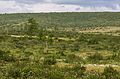
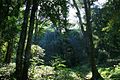
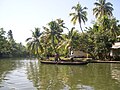
Mȯxe'eotsestȯtsean hotómá'e Asia
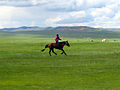


References
Preview of references
- ↑ 1.0 1.1 National Geographic Family Reference Atlas of the World. Washington, DC: National Geographic Society (U.S.). 2006. p. 264.
- ↑ 2.0 2.1 https://population.un.org/wpp/
- ↑ 3.0 3.1 https://web.archive.org/web/20230306213755/https://population.un.org/wpp/Download/Files/1_Indicators%20%28Standard%29/EXCEL_FILES/1_General/WPP2022_GEN_F01_DEMOGRAPHIC_INDICATORS_COMPACT_REV1.xlsx
- ↑ https://www.imf.org/external/datamapper/PPPGDP@WEO/OEMDC/ADVEC/WEOWORLD
- ↑ https://www.imf.org/external/datamapper/NGDPD@WEO/OEMDC/ADVEC/WEOWORLD
- ↑ https://www.imf.org/external/datamapper/NGDPDPC@WEO/OEMDC/ADVEC/WEOWORLD
- ↑ "Europe" (pp. 68–69); "Asia" (pp. 90–91): "A commonly accepted division between Asia and Europe is formed by the Ural Mountains, Ural River, Caspian Sea, Caucasus Mountains, and the Black Sea with its outlets, the Bosporus and Dardanelles."
- ↑ https://www.britannica.com/eb/article-9110518/Asia